KiriOri Food: Embedding Functionalities into Natural Food Ingredients
Mako Miyatake, Anna Matsumoto, Lining Yao
TEI 2026
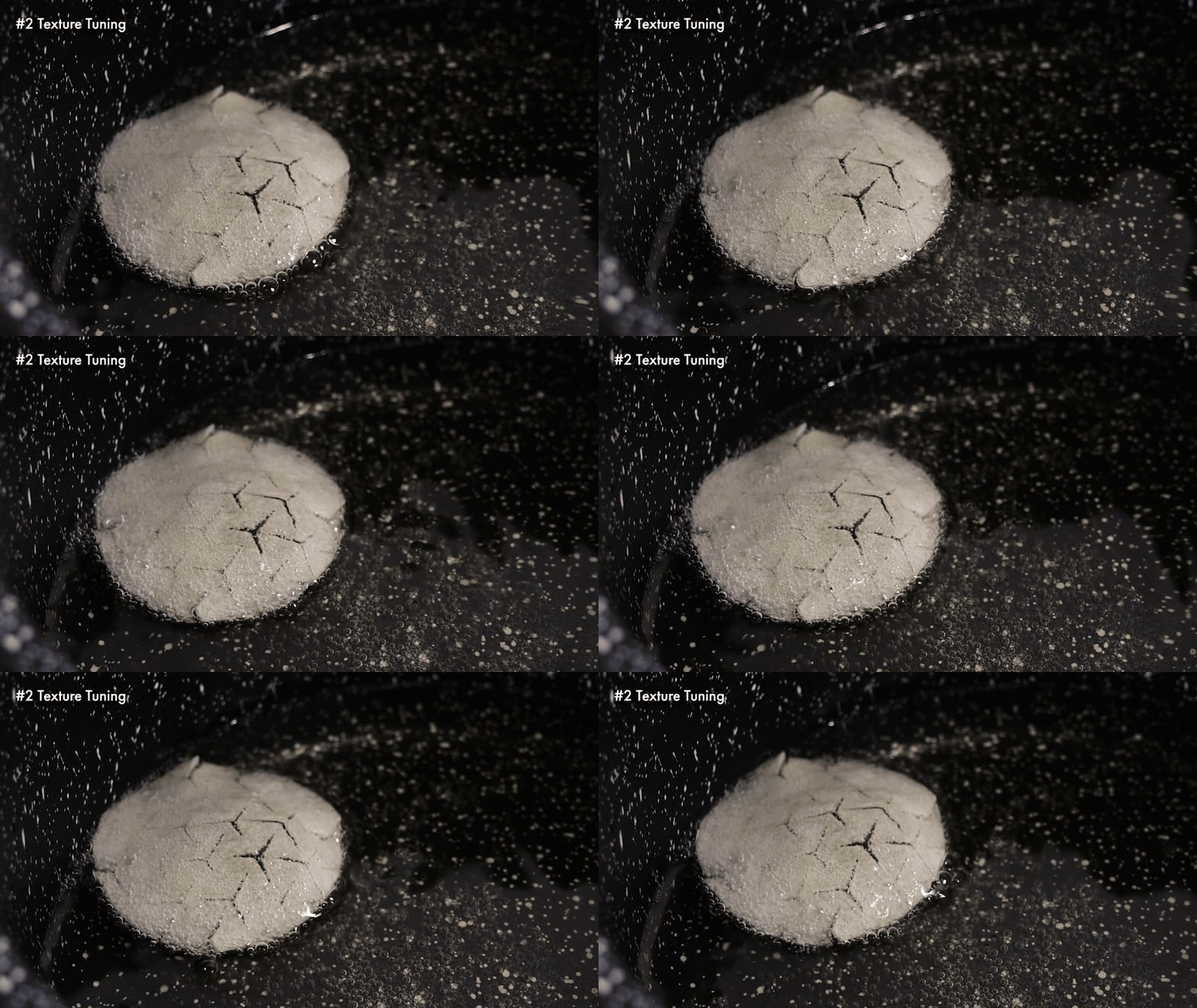
In our everyday eating habits, we benefit from the diverse properties of natural food ingredients, from their taste and aroma to their texture. To further expand this potential, we draw inspiration from architected materials, in which engineered structures impart new mechanical properties. Building on this idea, we introduce kirigami and origami structures into fresh ingredients to embed new functionalities. Our design tool let users create custom, interchangeable rollers that apply cuts and folds to thinly sliced ingredients. By combining different structures with the inherent properties of food, users can transform everyday eating experiences across various contexts. To support users, we share experimental results with example ingredients to help them identify appropriate design parameters. Finally, we present several exemplar concepts in a recipe-style format to illustrate new interaction possibilities enabled by our reproducible fabrication pipeline.

How to Use
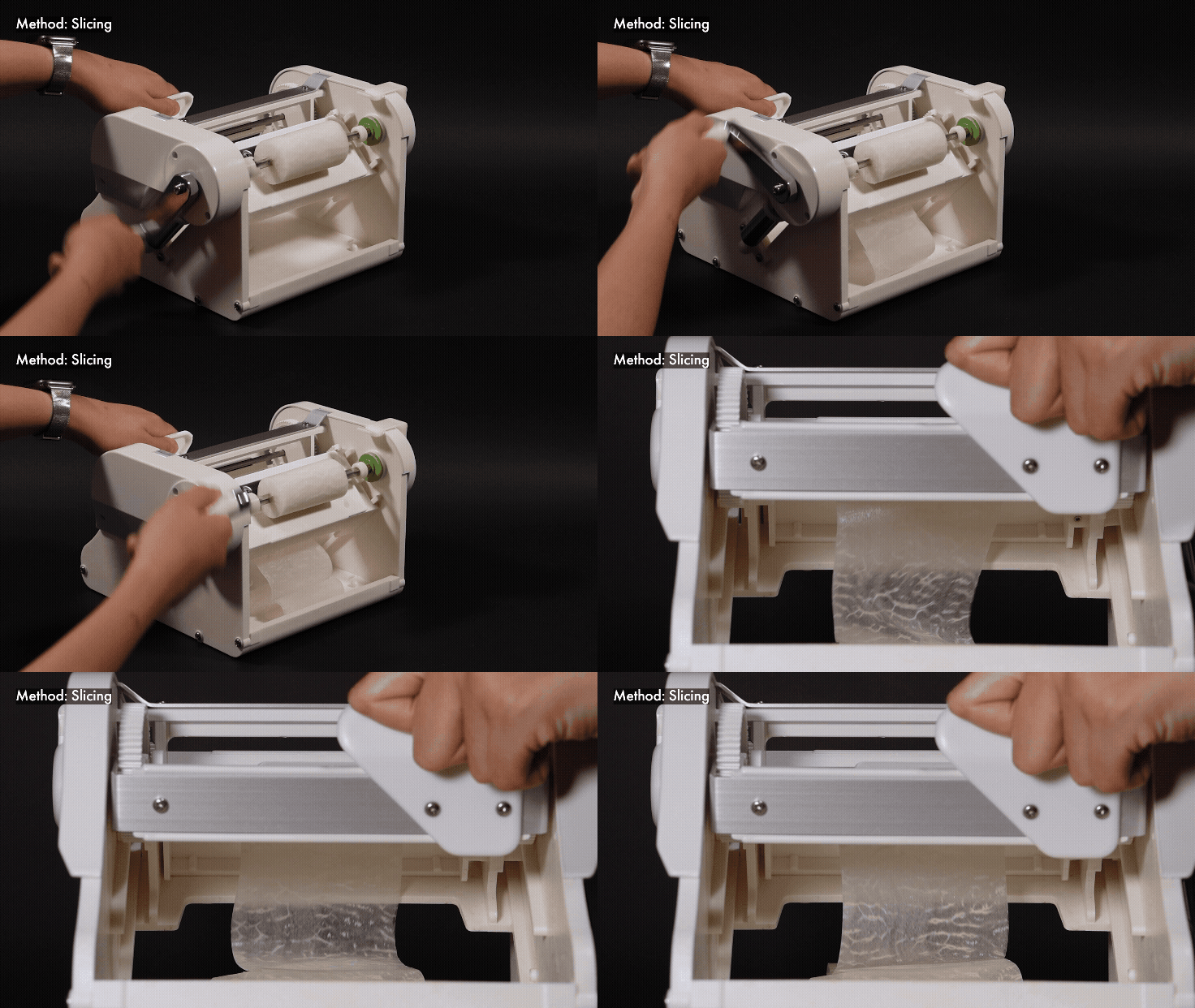
Slicing
Cut the ingredient into 5-7cm lengths, then set it to a commercial vegetable slicer to slice ingredients into thin sheets.
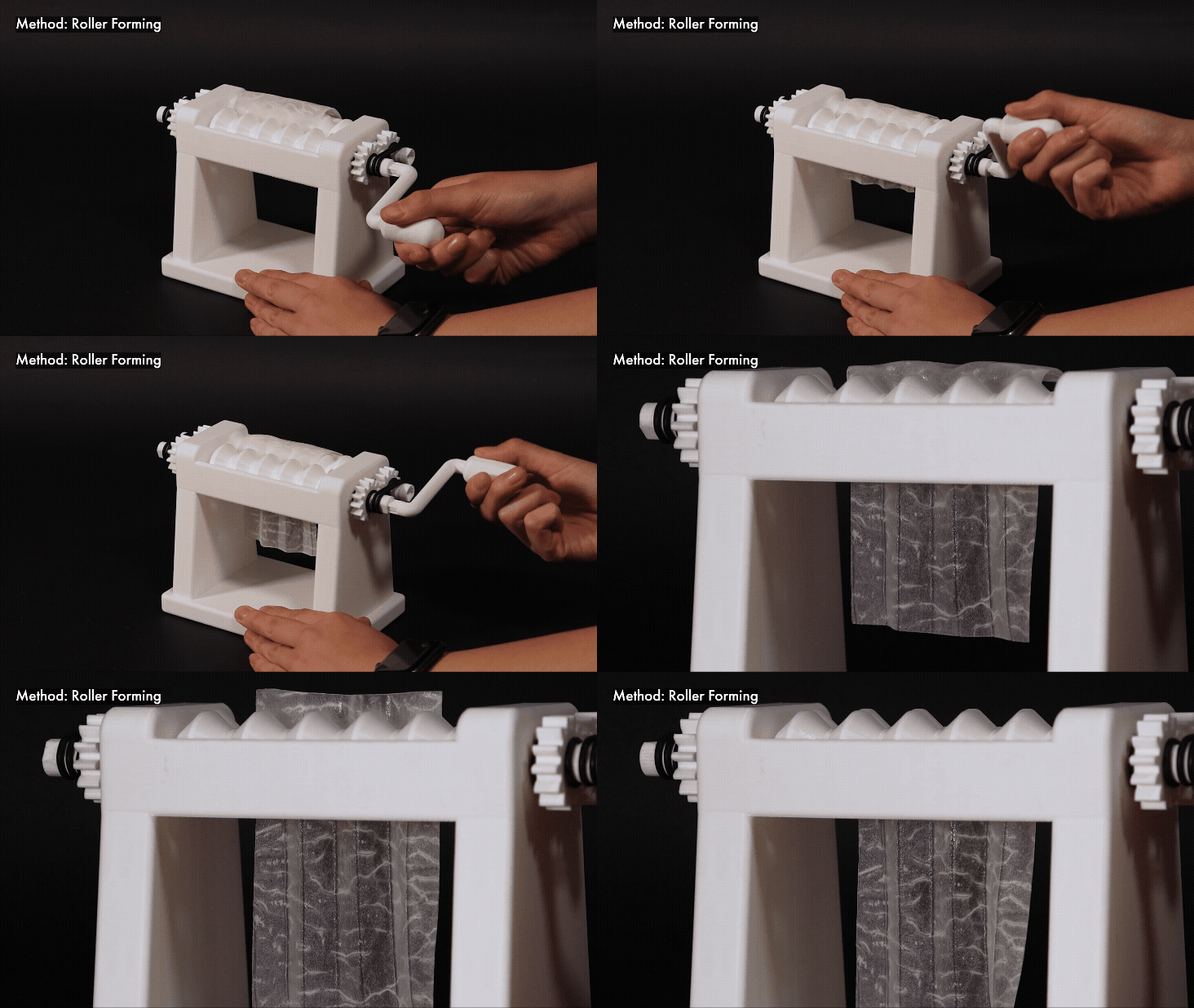
Roller Forming
Load the sliced ingredients from the top and feed it through the rollers to cut or fold along the lines.
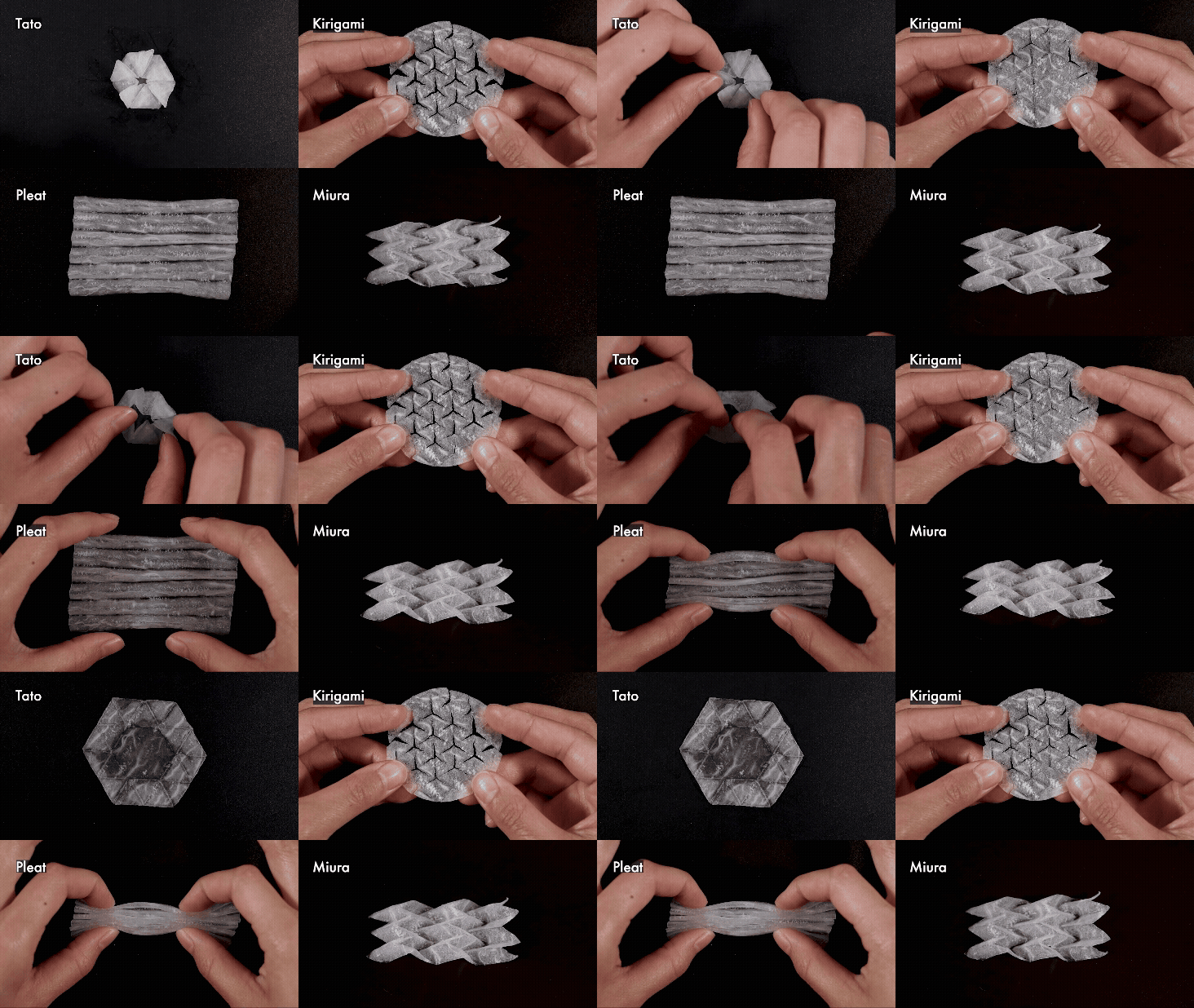
Shaping
When using the kirigami roller, if some cutting lines are not completely separated after rolling, gently pull the material to finish the cuts.
Cooking
Before serving, cook the ingredients with your preferred cooking method and enjoy!
For long-term storage, it is recommended to preserve the ingredients through pickling or dehydration. This step is optional.